A transplant drug that might slow human ageing sounds like the kind of headline that belongs in a tabloid. Rapamycin genuinely does attract serious scientific attention — with some extraordinary results in animals, and a considerably more sobering picture in humans. Below I walk through what the evidence shows, where the real gaps are, and why the current clinical situation is worth understanding before you encounter it in the wild.
Key Takeaways
- Rapamycin produces genuinely impressive results in mice — extended lifespan, less cancer, preserved brain function — but no trial has shown it extends human lifespan.
- The largest human longevity trial to date (PEARL, 2025) found no significant effect on its primary ageing endpoint after 48 weeks.
- Real-world prescribing is already well ahead of the evidence, with more than twenty US clinics openly advertising it as an anti-ageing treatment.
What Is Rapamycin and How Does It Work?
Rapamycin was first isolated in the 1970s from bacteria found in soil on Easter Island. It entered mainstream medicine as an immunosuppressant — given to organ transplant patients to stop their immune systems from attacking a new kidney or heart. It has a solid, decades-long track record in that setting.
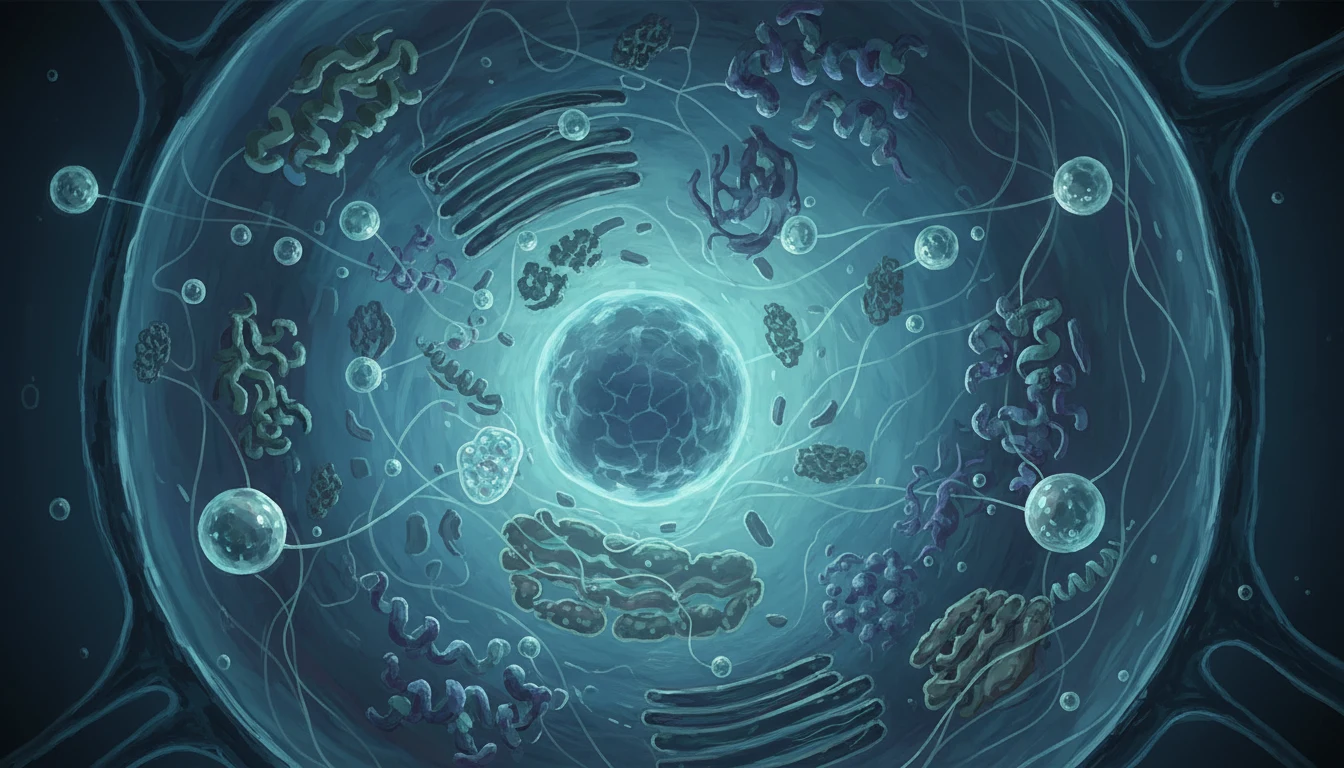
The longevity interest comes from the mechanism. Rapamycin blocks a cellular pathway called mTOR — think of mTOR as a nutrient detector inside your cells. When mTOR is running, cells are in growth mode: building, dividing, expanding. Rapamycin tells it to slow down, pushing cells into a kind of maintenance mode where they begin clearing out damaged proteins and recycling worn-out components — a process biologists call autophagy. The rough analogy: your cells run a housekeeping cycle they’d otherwise skip.
On paper, that maintenance shift is exactly what you’d want to slow biological ageing. In mice, it delivers on that promise.
The Animal Evidence: Genuinely Compelling
The mouse data is worth taking seriously rather than dismissing. When rapamycin was given to middle-aged mice, researchers observed delayed cancer, slower neurodegeneration, and signs of extended healthy lifespan. A May 2025 study from the Max Planck Institute for Biology of Ageing, published in Nature Aging, pushed this further: combining rapamycin with a second drug, trametinib, produced approximately 30% longer lifespans in mice, reduced inflammation across multiple organs, delayed tumour development, and preserved cognitive function in older animals.
Those are striking numbers. The science behind them is real. The question — and it’s a large one — is how much of that crosses over to humans.
The Human Evidence: A Different Story
Here’s the distinction that matters: in biology, results from mouse models fail to replicate in humans more often than they succeed. The list of drugs that extended mouse lifespan and then did nothing useful in people is long.
As of 2025, we have no evidence that rapamycin extends human lifespan. Not one randomised controlled trial has demonstrated that healthy people taking rapamycin live longer. That’s not a technicality — it’s the central missing piece.
The most rigorous human data we have comes from the PEARL trial, published in April 2025. It enrolled healthy adults aged 50 to 85, randomised them to 5 mg or 10 mg of rapamycin weekly or a placebo, and followed them for 48 weeks. The primary endpoint — a composite of healthspan markers — showed no significant effect. There were some secondary signals: modest muscle gains in women taking the higher dose, and some changes in immune markers. These are worth investigating further. But PEARL did not show that rapamycin slows human ageing. Secondary signals from a trial that missed its primary outcome are hypothesis-generating, not conclusions.
Where the Evidence Gets More Interesting
Two other human findings deserve a measured look.
A small study from Oxford found that low-dose rapamycin improved immune function markers in older adults. Whether improved immune markers translate to fewer infections or better health outcomes at scale is genuinely unknown — much larger trials would be needed to find out. The primary peer-reviewed publication hadn’t been fully confirmed at time of writing, so treat that signal with appropriate caution.
The more concrete finding comes from reproductive medicine. The VIBRANT pilot study, run through Columbia University Irving Medical Center, found that rapamycin (5 mg weekly for 12 weeks) appeared to slow ovarian ageing by around 20% in women aged 35 to 45. That’s a measurable biological effect in real humans, which is more than another mouse finding. But a pilot study of 50 women is a starting point, not a verdict.
Safety: The Question That Gets Underplayed
Dose matters a great deal here, and it’s often glossed over in longevity discussions. Transplant patients take rapamycin daily — typically 2 to 5 mg — to maintain continuous immune suppression. People using it for longevity generally take higher individual doses (5 to 7 mg) but only once a week. The intermittent approach is thought to inhibit mTOR without permanently blunting immunity. Whether that weekly window is long enough to produce benefit while short enough to avoid immune problems is genuinely unknown.
Short-term side effects at longevity doses are usually mild: mouth sores and gastrointestinal discomfort are the most commonly reported. Rapamycin also raises triglyceride levels and can affect glucose metabolism — both worth monitoring if you have pre-existing metabolic risk factors.
The larger concern is what we don’t know. There is no long-term safety data for healthy people taking rapamycin for years or decades. Transplant patients take it under close clinical supervision with regular blood monitoring. The gap between that setting and a telehealth prescription with minimal follow-up is not small.
Why It’s Everywhere Despite the Gaps
More than twenty American medical practices are openly advertising rapamycin as an anti-ageing treatment. Telehealth companies are prescribing it with varying degrees of oversight. The commercial momentum is real and growing faster than the clinical data.
The pitch works precisely because it’s grounded in genuine science — the mTOR mechanism is well understood, the mouse data is impressive, and early human signals are described as “promising.” But promising and proven are not the same thing, and calling rapamycin an established anti-ageing treatment overstates where the science is by a considerable margin.
The Bottom Line on Rapamycin
Rapamycin is neither a fringe idea nor a proven longevity treatment. It sits in the increasingly crowded middle ground of interventions with strong biological plausibility and real animal data, but insufficient human evidence to justify widespread use in healthy populations. The PEARL trial was a needed step; its null primary result was informative and honest. The research should continue — and probably will, given the level of interest.
If you’re reading about rapamycin because you’re curious about what might genuinely slow ageing, the science is worth following. Right now, though, the evidence for benefit in healthy humans isn’t there yet, and neither is the long-term safety picture. That gap matters, particularly as commercial interests continue to move faster than clinical data.
Frequently Asked Questions
Is rapamycin approved for longevity or anti-ageing use?
What did the PEARL trial actually find?
Could rapamycin suppress the immune system if taken long-term?
References
- Moel M, Harinath G, Lee C, et al. (2025). “Safety and efficacy of rapamycin on healthspan metrics after one year: PEARL Trial Results.” Aging. https://www.ncbi.nlm.nih.gov/pmc/articles/PMC12074816/
- Max Planck Institute for Biology of Ageing (2025). “The geroprotectors trametinib and rapamycin combine additively to extend mouse healthspan and lifespan.” Nature Aging. https://www.nature.com/articles/s43587-025-00876-4
- NewYork-Presbyterian / Columbia University Irving Medical Center. VIBRANT pilot study: rapamycin and ovarian ageing (5 mg weekly, 12 weeks, 50 women aged 35–45). https://www.nyp.org/advances/article/womens-health/pilot-study-evaluates-weekly-pill-to-slow-ovarian-aging-delay-menopause
- Oxford University (2023–2024). Low-dose rapamycin (1 mg daily, 8 weeks) and immune function markers in older adults. (Primary peer-reviewed publication not confirmed at time of writing — cite with caution until primary paper is verified.)