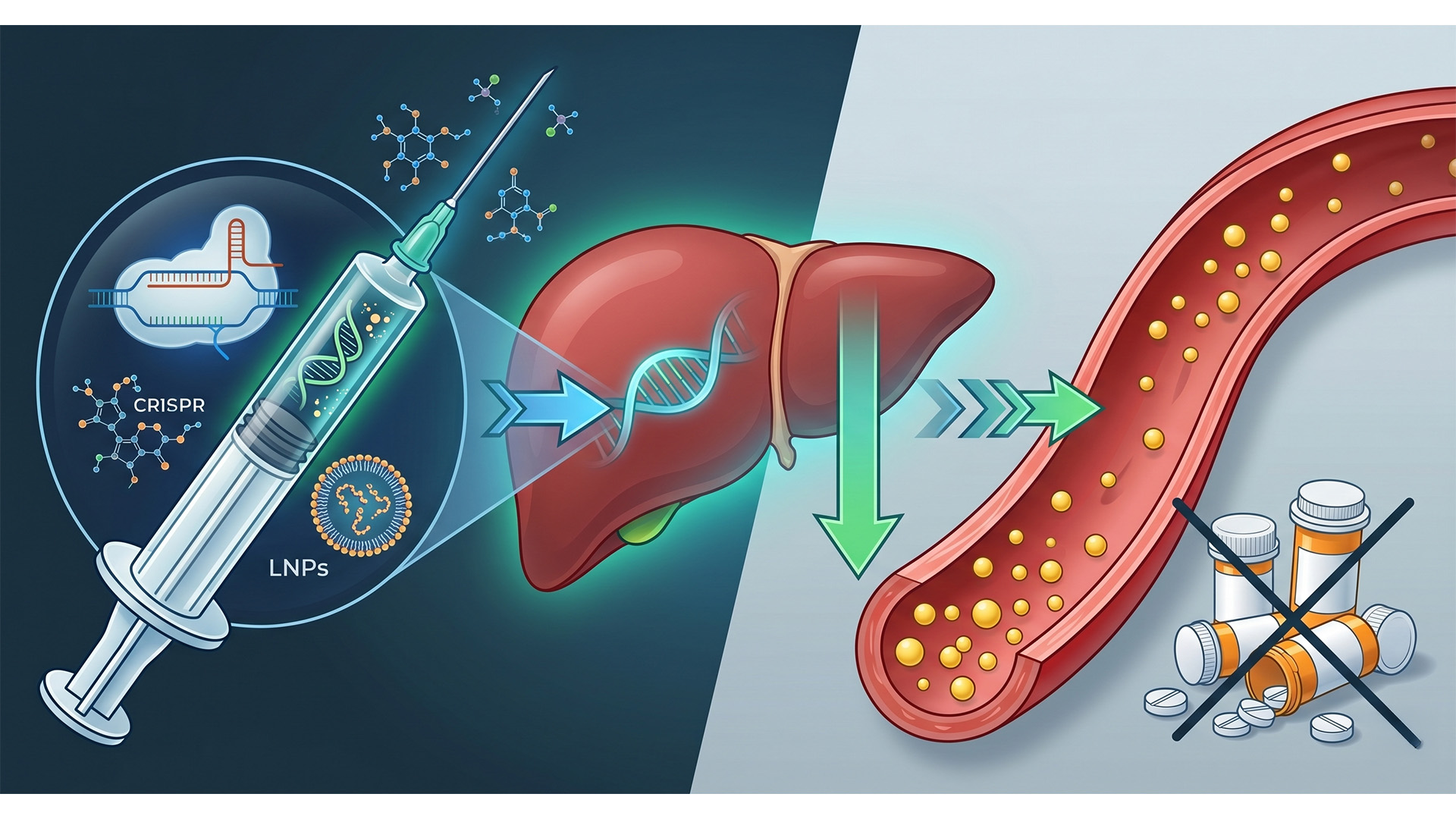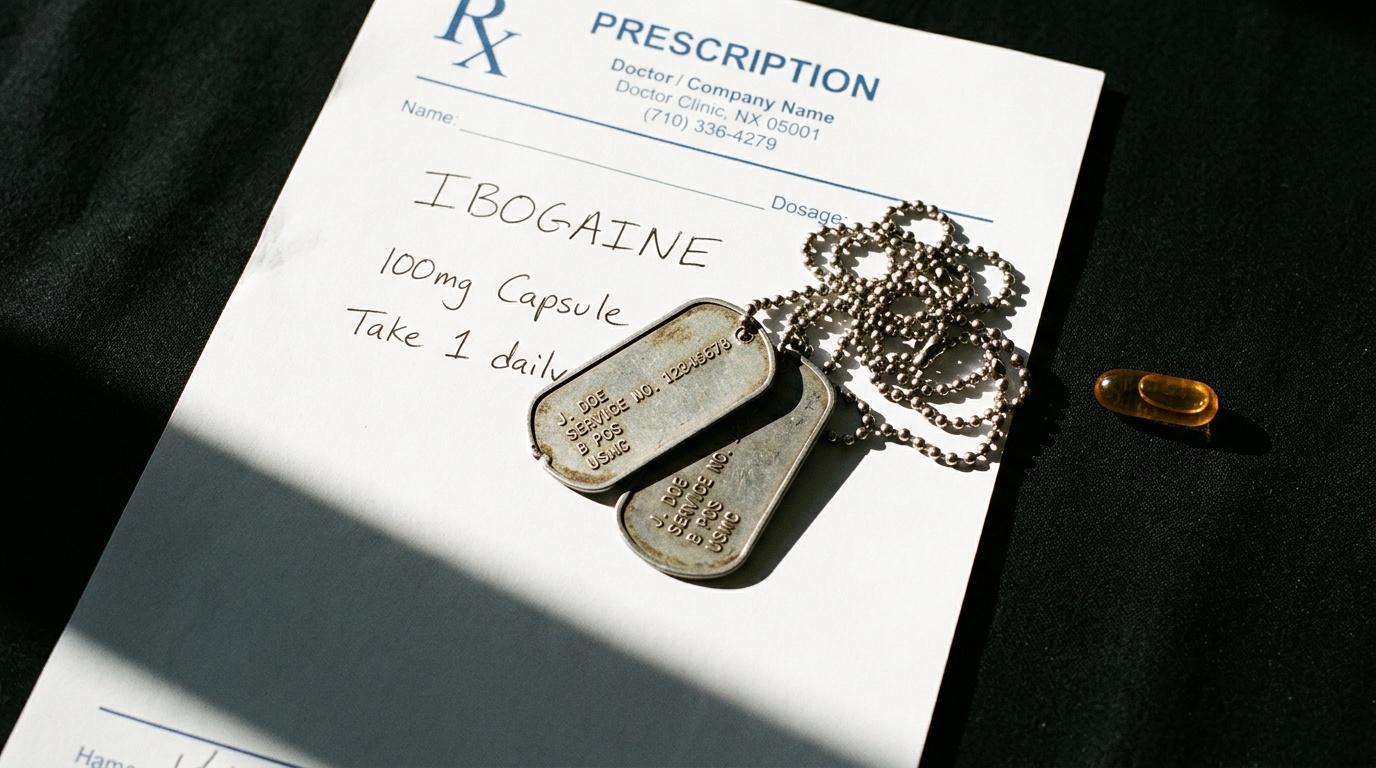
A single treatment session. Thirty combat veterans. An 86% remission rate for PTSD at one-month follow-up.
The 18 April 2026 ‘psychedelic executive order’ directs faster FDA review, new ARPA‑H funding, expanded Right‑to‑Try access, and VA trial collaboration for psilocybin, ibogaine and related compounds — but it does not legalise them. Read on for a concise breakdown of exactly what the order changes, the evidence that prompted it (including Stanford’s MISTIC ibogaine signal), and the safety and regulatory limits that will still govern access for veterans and Australian clinicians.
That Stanford study, along with a handful of other late-stage trials, is the backdrop for what happened in Washington on 18 April 2026. President Donald Trump signed an executive order titled Accelerating Medical Treatments for Serious Mental Illness. Its target: psychedelic compounds — including psilocybin, ibogaine, and LSD derivatives — that have spent more than fifty years as Schedule I substances, despite growing evidence they may help people for whom conventional treatment has failed.
The order’s most direct beneficiaries, according to the White House, are American veterans. The case for urgency is real. For more than twenty years, over 6,000 US veterans have died by suicide annually. The veteran suicide rate sits at more than twice that of the general adult population. Around 13 million Americans live with PTSD, and an estimated 4 million with treatment-resistant depression.
That is the context in which this order lands. The White House is framing it as a breakthrough. The clinical evidence suggests something more measured: a real scientific opening, tempered by genuine safety questions, regulatory setbacks, and a timeline still measured in years rather than months.
Here’s what the order actually does, what the trials are showing, what the Australian picture looks like, and where the caution still lies.
What the Executive Order Changes
The order does not legalise psychedelics. It is a package of regulatory levers designed to speed up research, review, and compassionate access inside the existing FDA framework. Five elements stand out.
FDA National Priority Vouchers. The FDA Commissioner is directed to issue these vouchers to psychedelic drugs that already hold Breakthrough Therapy designation for serious mental illness. In plain terms, when a sponsor submits an application for one of these compounds, it moves to the front of the review queue. The bar for approval doesn’t drop. The waiting time does.
Expanded Right to Try access. The FDA and DEA are jointly directed to create a pathway allowing eligible patients to access investigational psychedelics — ibogaine is named specifically — once those drugs are under FDA review and have cleared basic safety thresholds. This extends the Right to Try Act Trump signed during his first term, originally aimed at terminal illness, into the psychiatric space.
A $50 million research commitment. The order allocates $50 million through the Advanced Research Projects Agency for Health (ARPA-H) to match state-level investment in psychedelic research. Texas is already the model, having launched a state-funded ibogaine research consortium in 2025.
VA and private-sector collaboration. The Department of Health and Human Services, the FDA, and the Department of Veterans Affairs are directed to work with private-sector sponsors to expand clinical trial participation, particularly in veteran populations. This is significant because the veteran cohort carries the most acute clinical need and, historically, some of the best signal in early-phase psychedelic research.
Rescheduling review on approval. The Attorney General is directed to begin reviews of relevant products once they complete Phase 3 trials, so that rescheduling — moving a compound out of Schedule I — can happen as soon as possible after FDA approval, rather than years later.
Taken together, this is not an ideological intervention. It is an administrative one, aimed at a field where regulatory drag has been a defining feature.
The Stanford Study at the Heart of the Order
Much of the energy behind this executive order — particularly around ibogaine — traces back to a 2024 paper in Nature Medicine from Dr Nolan Williams and the Stanford Brain Stimulation Lab. The protocol is called MISTIC: Magnesium-Ibogaine for the Stanford Traumatic Injury to the Central Nervous System.
Thirty male Special Operations veterans with a history of traumatic brain injury and repeated blast exposure travelled to a clinic in Mexico operated by Ambio Life Sciences. They received oral ibogaine alongside magnesium — the magnesium is clinically important, because ibogaine has been associated with fatal cardiac arrhythmia, and magnesium appears to mitigate that risk by stabilising heart rhythm.
Before treatment, the cohort carried significant psychiatric burden. Twenty-three met diagnostic criteria for PTSD. Fourteen had an anxiety disorder. Fifteen had alcohol use disorder. Nineteen had a lifetime history of suicidal behaviour, and seven had made a suicide attempt. Their average WHO disability rating was 30.2 — mild to moderate disability.
One month after a single ibogaine session, the average disability rating was 5.1, indicating no disability. PTSD symptoms had dropped by an average of 88%. Depression symptoms by 87%. Anxiety by 81%. Cognitive testing showed improvements in processing speed, executive function, working memory, and attention. No serious adverse events occurred.
Those effect sizes are extraordinary — so extraordinary that the appropriate clinical response is some scepticism alongside the excitement. The study’s own authors have been direct about its limitations. It was observational, not randomised. There was no placebo arm. Participants knew they were receiving treatment and had travelled internationally to get it — a setup that carries meaningful expectation effects.
What makes the findings harder to dismiss is the cognitive data. Neuropsychological testing is relatively insensitive to placebo effects, and the cognitive improvements were consistent with the symptom reductions. Dr Williams has been clear that controlled trials are essential to validate the findings, but his assessment of the underlying signal is blunt: no other drug has ever been able to alleviate the functional and neuropsychiatric symptoms of traumatic brain injury.
That is why ibogaine sits at the centre of this executive order — and why $50 million of federal money is now directed at studying it properly.
The Psilocybin Story: Closer to the Finish Line
If ibogaine is the dramatic outlier, psilocybin is the compound that has travelled furthest through conventional drug development.
Compass Pathways has now reported positive results from two Phase 3 trials of COMP360 — a synthetic, proprietary psilocybin formulation — for treatment-resistant depression. The COMP005 trial, reported in June 2025, showed a single 25 mg dose produced a statistically significant and clinically meaningful reduction in depression severity at six weeks, compared with placebo. The COMP006 trial, reported in February 2026 with 581 participants across North America and Europe, showed a similar effect from two fixed doses administered three weeks apart.

Two details matter clinically. First, onset. The separation from placebo was visible the day after administration and sustained through six weeks. Second, durability. For responders, effects lasted at least 26 weeks after one or two doses. In the treatment-resistant depression landscape — where millions of patients cycle through multiple failed medication trials — rapid onset and sustained response from a single intervention represent a different category of treatment.
Compass is now preparing its FDA submission. Under Trump’s new National Priority Voucher provision, that submission could receive accelerated review. If COMP360 is approved, it would be the first psilocybin-based medicine on the market and the second psychedelic approved for a psychiatric indication, after ketamine-derivative esketamine.
The safety data has also been cleaner than many expected. Most adverse events occurred on dosing days, the majority resolved within 24 hours, and the independent Data Safety Monitoring Board has reported no clinically meaningful imbalance in suicidal ideation between treatment and placebo arms — a question that has dogged psychedelic research for years.
The Cautionary Tale: Lykos, MDMA, and the FDA
If there is a reason to read the White House framing with a measured eye, it is what happened in August 2024.
Lykos Therapeutics (formerly MAPS Public Benefit Corporation) had submitted MDMA-assisted therapy for PTSD to the FDA. It was the first psychedelic-assisted therapy to reach a full regulatory decision, and the field treated it as the bellwether. Expectations for approval were high — Breakthrough Therapy designation had been granted in 2017, Phase 3 trials reported positive results on the Clinician-Administered PTSD Scale, and a Special Protocol Assessment had been negotiated with the FDA to lock in the trial design.
In June 2024, an FDA Psychopharmacologic Drugs Advisory Committee voted 2–9 against the effectiveness of MDMA-assisted therapy and 1–10 against the benefit outweighing the risks. In August, the FDA issued a Complete Response Letter declining approval and asking for an additional Phase 3 trial.
The agency’s concerns, now publicly documented, were substantive: functional unblinding (participants and therapists could often tell who had received MDMA), concerns about expectancy bias given that many participants had prior MDMA experience, questions about durability of effect, reports of inconsistent therapy protocols across trial sites, and documented ethical issues at one study site that led three peer-reviewed papers to be retracted.
MAPS and Lykos have disputed aspects of the FDA’s reasoning. But the broader lesson stands. A promising compound, backed by genuine clinical improvement, with strong advocacy from veteran organisations, can still fail at the regulatory finish line if the trial design, the safety monitoring, or the therapy standardisation is not up to pharmaceutical standard.
Trump’s executive order is explicit on this point. The order directs sponsors toward the FDA’s gold-standard review process. It does not create a workaround. If a psychedelic compound cannot clear the same evidentiary bar applied to any other drug — adequate blinding, documented safety, consistent protocols, generalisable populations — it will not be approved, regardless of how politically favoured it becomes.
What This Means for Australia
For Australian clinicians, the American news is significant, but the regulatory landscape here is markedly different — and worth being clear about.
Ibogaine in Australia is a Schedule 4 prescription-only substance under the Poisons Standard, but the practical reality is more restrictive than that designation suggests. Without TGA authorisation, it cannot be imported or administered in this country, and access through the Special Access Scheme is limited. Ibogaine is not used in mainstream Australian addiction medicine, and its use is not supported by the majority of addiction medicine specialists. There are documented cases of Australian doctors being deregistered after facilitating ibogaine treatment that ended in patient death.
Patients who want ibogaine treatment currently travel overseas — most often to Mexico, sometimes to New Zealand, where the regulatory position is more permissive. That pattern mirrors what American veterans have been doing for years, and it carries real clinical risk: unregulated dosing, variable cardiac screening, and no continuity of care on return.
The picture for psilocybin and MDMA is different. In July 2023, Australia became the first country in the world to down-schedule these compounds for therapeutic use. Authorised psychiatrists can now prescribe psilocybin for treatment-resistant depression and MDMA for PTSD under Schedule 8, within a strictly controlled framework. The path to becoming an authorised prescriber is narrow — TGA approval under the Authorised Prescriber Scheme, ethics committee oversight, and specific training requirements — and cost remains a significant barrier for patients. But the framework exists, which is more than can be said for almost any other jurisdiction.
What Trump’s executive order means for Australia is less about direct regulatory impact and more about research pipeline. If US federal funding accelerates Phase 3 psychedelic trials, the global evidence base strengthens. If Compass Pathways secures FDA approval for COMP360, the TGA will have a high-quality overseas regulator’s decision to reference. And if ibogaine generates controlled-trial data rather than observational data from Mexican clinics, the TGA’s assessment of whether it belongs in Australian addiction medicine can finally rest on something more than case series.

For Australian GPs, the practical implications are narrow but real. Patients will ask about this news. Some will already be considering overseas ibogaine treatment. The conversation worth having — and it is a conversation best had before the patient has booked a flight — is about the genuine cardiac risks, the importance of supervised settings with magnesium co-administration and EKG monitoring, the continuity-of-care gap when they return, and the fact that the strongest published data comes from populations with specific clinical profiles (combat-exposed TBI), which may not generalise to civilian addiction or general psychiatric presentations.
For authorised prescribers working with psilocybin and MDMA under the 2023 framework, the American developments are more immediately relevant. Phase 3 data from Compass strengthens the evidentiary base for psilocybin-assisted therapy. The Lykos experience in the US is a reminder of why therapy standardisation, blinding, and ethical oversight matter — the same issues that will shape TGA scrutiny of Australian outcomes data over the coming years.
The Long Road Ahead
A realistic timeline puts FDA approval of COMP360 — the most advanced psychedelic in regulatory review — sometime in late 2026 or 2027, assuming submission and review go smoothly. Ibogaine, despite the political momentum, has not completed Phase 3 trials. Rescheduling of any of these compounds out of Schedule I depends on FDA approval first. Building infrastructure for safe, supervised, scalable delivery — trained therapists, accredited clinics, integration with existing mental health systems — will take longer still.
That is not a reason for scepticism. It is a reason for realism.
The trials are showing something genuinely new. A single intervention producing durable remission in treatment-resistant depression, or substantial reduction in PTSD symptoms in veterans who have failed everything else, is not a finding that gets dismissed. The signal is real. The question is whether the field can translate that signal into medicines that are safe, consistent, reproducible, and accessible — and whether the regulatory frameworks, in both Washington and Canberra, can move at a speed that matches the clinical need without cutting the corners that the Lykos experience showed cannot be cut.
Trump’s executive order pushes the US system toward speed. That is a real shift. But speed is only useful if the underlying science holds. And on that question, the next two years — with COMP360 facing the FDA, ibogaine entering proper controlled trials for the first time, and Australian authorised-prescriber outcomes data accumulating — will tell us more than any executive order can.
For veterans, for patients with treatment-resistant depression, and for clinicians who have spent careers watching conventional options fail the people who need them most, that is genuine cause for measured hope.
Further Viewing
Dr Ferghal Armstrong has covered ibogaine in depth on Meducate’s Cracking Addiction and MedHEADS channel:
Ibogaine for PTSD: Can One Dose Really Cure It? Stanford’s Shocking New Findings — A clinical breakdown of the Stanford MISTIC protocol and the Nature Medicine paper, including the 86% PTSD remission data, the magnesium-cardiac safety rationale, and the study’s limitations. Essential viewing for clinicians wanting to understand the evidence behind the headlines.
Ibogaine: Why This 72-Hour Treatment Stays Illegal — An interview with Zappy Zapolin, founder of the Mind Army, on the cultural history of ibogaine, the politics behind Schedule I classification, and the advocacy movement driving ibogaine research. Ferghal provides important Australian regulatory context throughout.
References
- The White House. President Trump’s Landmark Order Advances Breakthrough Mental Health Treatments — Delivering New Hope to Veterans. 20 April 2026.
- The White House. Fact Sheet: President Donald J. Trump is Accelerating Medical Treatments for Serious Mental Illness. 18 April 2026.
- Cherian KN, Keynan JN, Anker L, et al. Magnesium-ibogaine therapy in veterans with traumatic brain injuries. Nature Medicine. 2024;30(2):373–381.
- Compass Pathways. Phase 3 COMP005 and COMP006 trial results for COMP360 psilocybin in treatment-resistant depression. 2025–2026.
- US Food and Drug Administration. Complete Response Letter, NDA 215455 (Lykos Therapeutics, midomafetamine). August 2024; publicly released September 2025.
- Therapeutic Goods Administration. Psilocybine and MDMA — Authorised Prescriber Scheme. 2023.
Explain how Breakthrough Therapy designation and priority review vouchers change the FDA timetable. FDA Breakthrough Therapy guidance.
Ground the article’s veteran‑suicide figures in the Department of Veterans Affairs’ official data. VA suicide statistics.
Use ARPA‑H documentation to corroborate the $50 million commitment and the mechanism for matching state investment. ARPA‑H funding program.